
Blue gold: Who really owns the water you drink?
Water is life. Yet, as access to clean water becomes increasingly limited in many parts of the world, it's being treated less like a basic human right and more like a lucrative commodity. With multinational corporations claiming rights over water resources and turning them into billion-dollar industries, the privatization of water is shaping up to be one of the most contentious issues of our time.
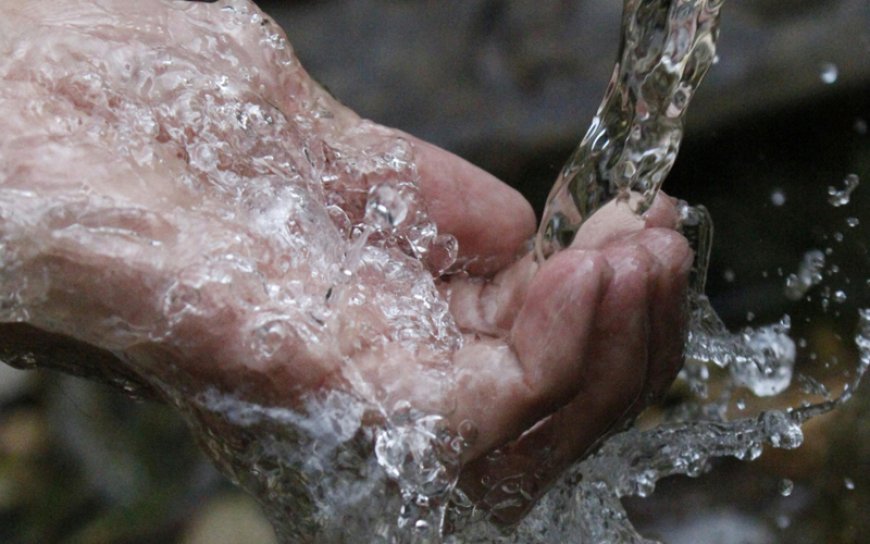
Water for Sale: Who Owns It?
Global corporations like Nestlé, Veolia, and Suez have been at the forefront of the water privatization debate. Their business model often involves taking control of public water supplies, bottling or distributing it, and selling it back to the public – at a profit. This raises critical questions: Who truly owns water? And what happens when the ability to afford it dictates access?
The numbers are staggering. The global bottled water market is worth nearly $300 billion. Meanwhile, over 2 billion people lack access to safely managed drinking water. The math doesn't lie – but it also doesn't seem to bother the shareholders.
Proponents of privatization argue that it brings efficiency, investment, and innovation to outdated public systems. And sometimes, they're even right. But the examples of failure are hard to ignore. Cochabamba, Bolivia – where water prices skyrocketed after privatization, sparking massive protests. Detroit, Michigan – where thousands of homes had their water shut off for nonpayment during a financial crisis. These aren't anomalies. They're warnings.
The Hidden Cost of Bottled Water
When you buy a bottle of water, you're not just paying for the water. You're paying for the plastic, the transport, the marketing, and the profit margin. The water itself costs almost nothing. But the corporations have convinced us that paying for convenience is natural, while paying for public infrastructure is "wasteful."
The Blackbox doesn't have the answers. But it knows that when something as essential as water becomes a commodity, the real question isn't about price – it's about power. And that's a question worth asking before the tap runs dry.