
Lithium and false rebirth: Serbia trapped in "green" progress
In early 2022, the Serbian government staged a dramatic retreat, shelving Rio Tinto's grandiose plans to dig up the Jadar Valley. It was hailed as a win for the people – a rare moment of ecological clarity in a world obsessed with shiny gadgets. But as with all good political theater, the curtains were drawn only to obscure what was happening backstage.
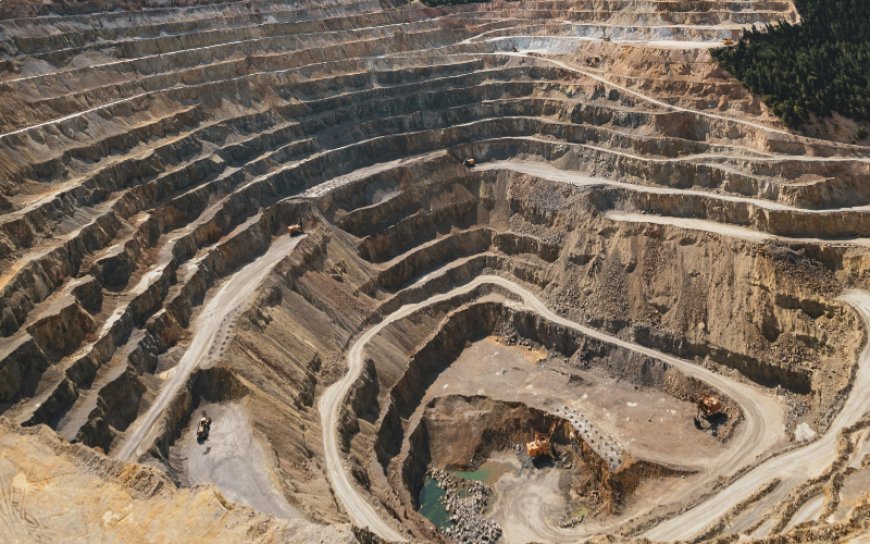
For a project allegedly buried, it's remarkably alive. Just months after the elections, whispers of lithium mining are back in the air, louder and more persistent. It's almost as if the government thinks its citizens have the attention spans of goldfish. Or perhaps they're counting on apathy setting in after the first wave of protests fades.
The story has all the ingredients of a geopolitical tragicomedy. On one side, Rio Tinto, the multinational darling of greenwashing campaigns everywhere, promising prosperity and jobs. On the other, an increasingly skeptical public, armed with placards and an unshakable belief that no amount of money justifies poisoning your own water supply. And then there's the Serbian government, valiantly trying to play both sides: environmental stewards before elections, mining enthusiasts after.
The logic, if one can call it that, goes something like this: lithium is the "white gold" of the future, essential for electric cars and renewable energy. Therefore, exploiting Serbia's deposits is not only an economic imperative but a moral duty to save the planet. It's a pitch that might work better if it didn't require digging massive holes in one of the country's most fertile regions.
Curiously, no one in Belgrade's halls of power seems eager to discuss what happens when the mines are empty. Perhaps they assume the people of Jadar will adapt to drinking bottled water and cultivating crops in soil that glows faintly at night. Or perhaps they simply don't care. After all, by the time the full consequences unfold, most of today's policymakers will be comfortably retired, or lobbying for Rio Tinto.
To their credit, the Serbian people aren't buying it. Not the farmers whose livelihoods are directly threatened, nor the urban activists who recognize a corporate land grab when they see one. The 2022 protests were a remarkable display of unity, and the memory of that resistance still lingers. If anything, the government's half-hearted assurances have only galvanized opposition.
So, what's next? Serbia stands at a crossroads. It could either bow to corporate pressure and risk becoming another cautionary tale of environmental exploitation, or double down on the resistance that already achieved so much. Judging by the grit and determination shown thus far, the outcome is far from certain.
As for the government, perhaps it's time to ask the obvious question: if this project is such a boon, why not start mining in downtown Belgrade? After all, a little dust and noise is a small price to pay for progress, isn't it?