
Microplastics: on the menu, whether you ordered it or not
Imagine the restaurant of the future. On the menu: Microplastic in a tangy petroleum sauce. A nanoplastic cocktail with Arctic ice cubes (slightly melted but still refreshing). And for dessert, phthalate-drizzled ice cream. The problem? Nobody ordered it, but everyone is eating it.
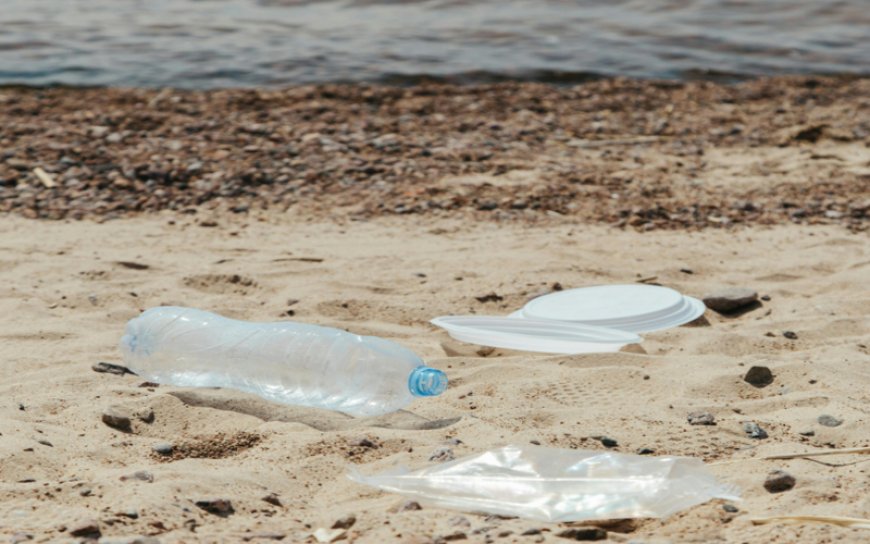
Microplastics have already become part of our daily "diet," from bottled water to fish fillets. The oceans, of course, are the kitchen where this delicacy is being prepared. Plastic bags, bottles, and that one sock that mysteriously disappeared in the laundry all end up as the main ingredients.
Recipe: Oceanic Plastic Soup
Ingredients:
- 1 ton of plastic waste (or whatever's lying around at home)
- 3 liters of polluted ocean water
- A pinch of microplastics from your favorite shampoo
- Garnish: dead coral reefs
Preparation:
Let plastic bags and bottles marinate in the ocean for several decades. Add a melting ice cap as a natural flavor enhancer. Stir with winds, storms, and waves. The result? A perfectly "blended" soup, enjoyed by all – from fish to humans.
Pro tip: Serve with freshly caught fish. We can't guarantee the fish won't come with an extra side of plastic "filling."
The numbers are staggering. According to recent studies, the average person ingests approximately five grams of plastic per week – about the weight of a credit card. These particles have been found in human blood, lungs, and even placentas. We're not just eating plastic; we're becoming part of the plastic cycle.
The sources are everywhere: synthetic clothing fibers washing into waterways, tire dust on roads, plastic packaging breaking down in landfills, even the paint on our walls. Every piece of plastic ever created still exists somewhere on this planet, breaking into smaller and smaller pieces but never truly disappearing.
In the end, the question is simple: would we still choose plastic if we knew every meal could make its way back to our plate? The oceans are serving us what we've been serving them. And they have been patient long enough.